Compare Local Contractors for Foundation Stabilizing Services
Compare local contractors for foundation stabilizing to define project scope, verify experience, and set clear expectations for a successful property repair.
Foundation stabilizing services typically involve assessing a property's existing foundation and implementing solutions to address issues such as settling, cracking, or shifting. Common methods include underpinning, soil stabilization, and piering, all aimed at restoring stability and preventing further damage. These projects often require a thorough understanding of soil conditions, structural integrity, and appropriate repair techniques to ensure the long-term safety of the property. Property owners should work with service providers who have experience in these specialized procedures to ensure that the scope of work is clearly defined and tailored to the specific needs of their property.
Defining the scope of foundation stabilizing work is a critical step in any project. A detailed scope helps establish a clear understanding of what tasks are included, such as site assessment, excavation, installation of stabilization systems, and post-installation inspections. It also helps identify potential challenges and necessary materials, which can influence how the project is planned and executed. Having a written scope of work can prevent misunderstandings, ensure all parties are aligned on expectations, and provide a basis for evaluating the quality and completeness of the work performed.
Property owners seeking foundation stabilizing services should compare local contractors to find the most suitable service provider for their needs. It is helpful to verify the experience of each contractor, particularly with projects similar in scope and complexity. Reviewing their previous work, checking references, and understanding their approach to defining project scope can provide valuable insights. Additionally, obtaining detailed written proposals that specify the work included, materials used, and steps involved can facilitate an informed decision. By carefully comparing these aspects, property owners can select a contractor who is well-equipped to handle their foundation stabilization needs effectively and reliably.
Compare local contractors by outlining project priorities, verifying experience, and setting clear expectations in writing.
- Compare Contractor Experience - Review the background and project history of local contractors to ensure they have relevant experience in foundation stabilizing.
- Define Project Scope Clearly - Establish detailed work descriptions and expectations in writing to prevent misunderstandings.
- Verify Qualifications and References - Check references and verify credentials to assess the reliability of service providers.
- Request Written Agreements - Obtain comprehensive written agreements outlining work scope, responsibilities, and expectations.
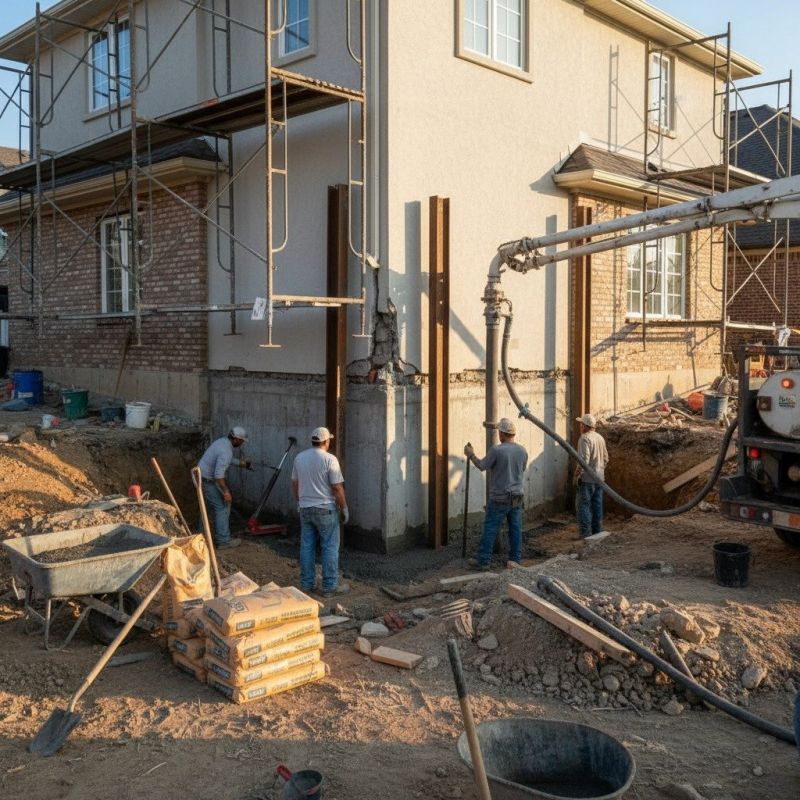
Clearly describe your foundation stabilizing project before comparing local contractors, verifying experience, and setting expectations in writing.
- Verify the experience and expertise of local contractors in foundation stabilization projects. - Ensure service providers clearly define the scope of work and stabilization methods in writing.
- Compare multiple local contractors to evaluate their approaches and recommended solutions for foundation stabilization. - Look for detailed proposals that specify materials, techniques, and expected outcomes.
- Check references or reviews to assess the quality and reliability of previous foundation stabilization work performed by local contractors. - Confirm that contractors have successfully handled projects similar in scope and complexity.
- Discuss and document project expectations, including responsibilities, deliverables, and any warranties or guarantees in writing. - Clarify what is included and what is not to avoid misunderstandings later.
- Assess the communication style and professionalism of local service providers during initial consultations. - Choose contractors who provide clear, thorough, and prompt responses.
- Ensure that the proposed stabilization plan aligns with the specific foundation issues and soil conditions of the property. - Request detailed explanations of how the chosen methods address the site’s unique needs.
Use this to compare local contractors, clarify project scope, verify experience, and set clear expectations.
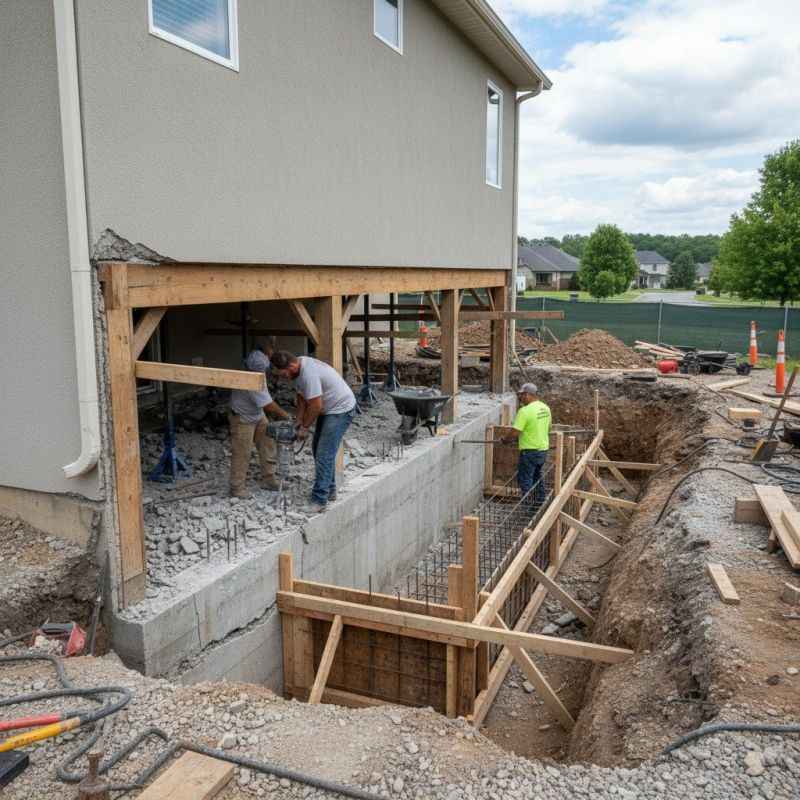
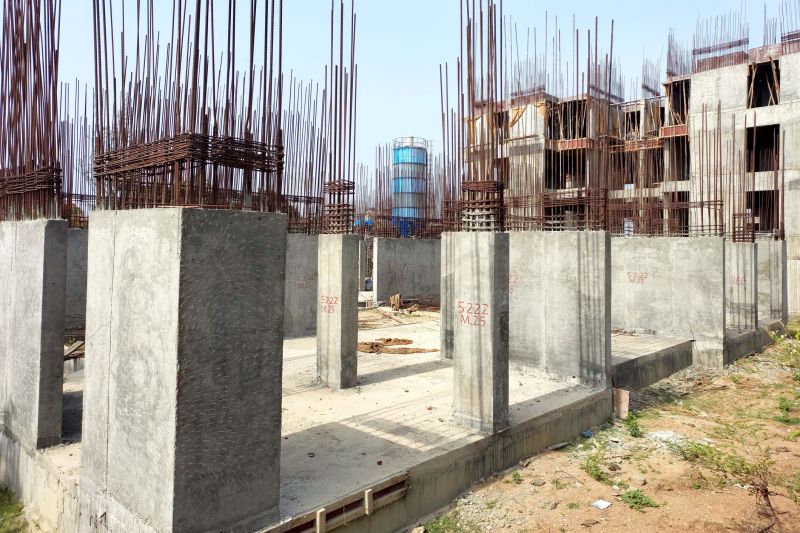
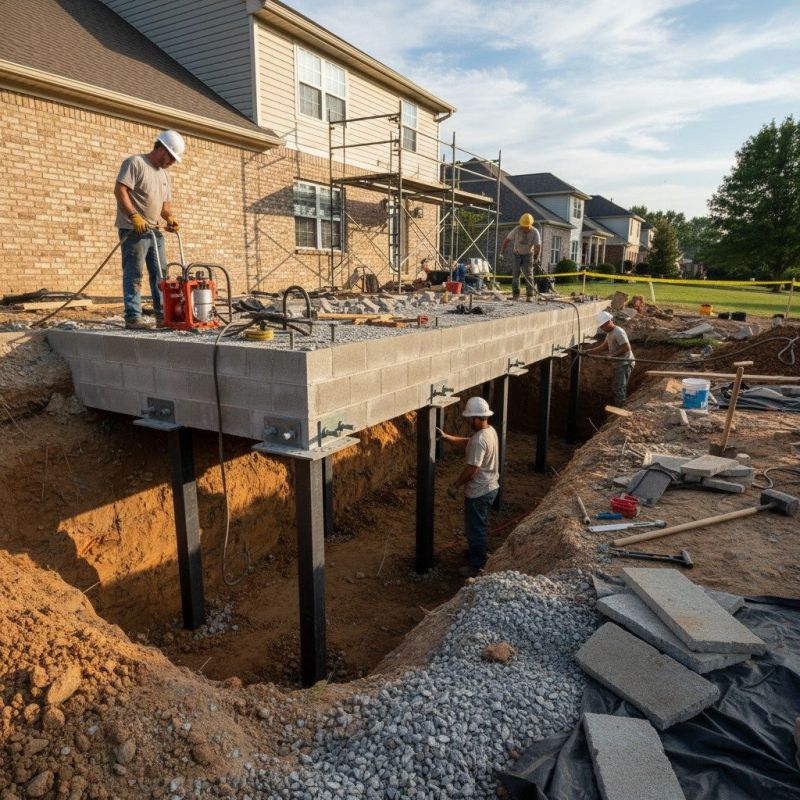
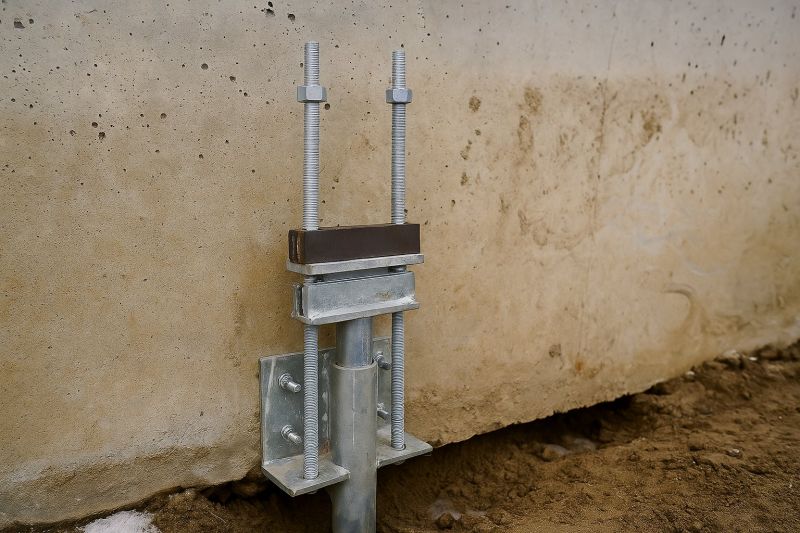
Learn how to compare contractors, define project scope, verify experience, and set clear expectations in writing.
- Define the scope of foundation stabilizing services needed to address specific issues. Clarify the methods and materials that local contractors plan to use for stabilization.
- Verify the experience and expertise of local service providers in foundation stabilization projects. Ensure they have relevant background handling similar types of foundation issues.
- Establish clear project expectations in writing, including procedures, responsibilities, and deliverables. Document all aspects of the work to prevent misunderstandings.
- Compare multiple local contractors to evaluate their approaches, experience, and scope definitions. Use consistent criteria to make informed choices.
- Request detailed proposals that outline the scope, methods, and materials to ensure transparency and alignment.
When comparing contractors for foundation stabilizing, it’s important to consider their experience with similar projects. Homeowners should seek service providers who have a proven track record of handling foundation stabilization in environments comparable to their own. Asking for details about past work can help determine whether a contractor has the relevant expertise and familiarity with the specific challenges that may arise on a particular site. This background can provide a clearer picture of the contractor’s capability to deliver a successful outcome.
A clear, written scope of work is essential for setting expectations and ensuring all parties are aligned. Homeowners should request a detailed description of the services included, the methods to be used, and any specific steps the contractor plans to take. A well-defined scope helps prevent misunderstandings and provides a basis for evaluating whether the proposed approach addresses the particular needs of the property. It also creates a reference point for any future discussions or clarifications.
Verification basics involve confirming a contractor’s experience and understanding of foundation stabilization techniques. Homeowners can ask for references or examples of completed projects similar in scope and complexity. Additionally, requesting information about the process and methods can help verify that the contractor’s approach aligns with industry standards. Ensuring that contractors can articulate their process and have relevant experience provides confidence that they are equipped to handle the project effectively.
Evaluating options without focusing on prices involves assessing the quality of the proposals, the clarity of communication, and the professionalism of the contractors. Homeowners should compare how thoroughly each service provider explains their approach, the level of detail in their scope, and their ability to answer questions clearly. It’s also helpful to consider how well the contractors understand the specific site conditions and whether their proposed solutions seem appropriate. Taking the time to review these factors can lead to a more informed decision based on experience, transparency, and suitability for the project.
Ask for written scope details to ensure clarity and consistency when comparing foundation stabilizing contractors.
- Experience and Expertise - What specific experience do the contractors have with foundation stabilizing projects similar to this one?
- Scope of Work - How do the contractors define and document the scope of work to ensure clear expectations?
- Methods and Techniques - What stabilization methods or techniques do the contractors recommend, and how do they compare?
- Materials and Equipment - What types of materials and equipment will the contractors use, and how do they differ?
- Warranty and Guarantees - How do the contractors handle warranties or guarantees to protect the scope of work?
How can I compare foundation stabilizing contractors? To compare contractors, review their experience, verify references, and assess their scope of work to ensure they meet project needs.
What should I clarify in the scope of work with a contractor? Clearly define the services to be provided, project boundaries, and any specific stabilization techniques to set accurate expectations.
How do I verify a contractor’s experience in foundation stabilization? Ask for details about their past projects, request references, and confirm their familiarity with the specific stabilization methods required.
Why is it important to have a written agreement with a contractor? A written agreement helps establish project scope, responsibilities, and expectations, reducing misunderstandings during the work process.
What questions should I ask a contractor before hiring? Inquire about their experience, methods used, project timeline, and how they handle unexpected issues or project changes.
How can I ensure the contractor understands my project needs? Communicate your goals clearly, ask for detailed explanations of their proposed approach, and confirm all project details are documented in writing.
Understanding the importance of selecting the right contractor for foundation stabilizing is key to ensuring the job meets expectations. Visitors have learned how to define the scope of work clearly, verify the experience of service providers, and set expectations in writing to facilitate a smooth process. Comparing local contractors enables homeowners to find options that align with their project needs and preferences.
To make an informed decision, it’s recommended to use the quote form to explore and compare local service providers. This helps connect with experienced contractors who can handle foundation stabilizing projects, providing a straightforward way to evaluate available options and find the best fit for specific requirements.